Office cleaning for South Bank businesses by Cleaner Waterloo
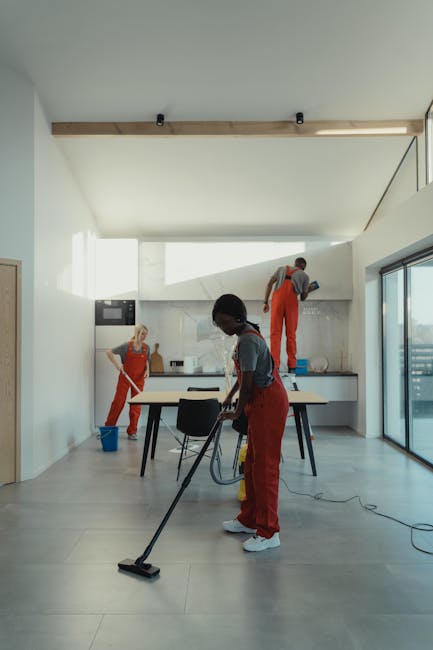
If you run a business near South Bank, you already know the pace can be relentless. Clients arrive early, staff move in and out all day, and the office has to stay presentable even when the week gets messy by Tuesday afternoon. That is where Office cleaning for South Bank businesses by Cleaner Waterloo becomes less of a nice-to-have and more of a quiet business essential.
In this guide, we will look at what office cleaning actually covers, how it works in a real South Bank setting, what to expect from a reliable service, and how to avoid the little mistakes that cause bigger problems later. There is also a checklist, a comparison table, and a few practical examples pulled from the kind of day-to-day situations office managers deal with all the time. Simple, useful, no nonsense.
Why Office cleaning for South Bank businesses by Cleaner Waterloo Matters
South Bank is a busy, high-footfall part of London. Offices here often sit close to transport links, hospitality traffic, shared buildings, and a steady stream of visitors. That means dust, fingerprints, tracked-in grit, bin-room smells, and bathroom wear can build up faster than people expect. Not dramatic, just reality.
Good office cleaning is about more than a tidy desk and an empty bin. It helps protect first impressions, supports a healthier day-to-day environment, and keeps small issues from becoming the kind of complaints that linger in team chats for weeks. You know the sort: the kitchen sink that somehow smells on Thursday, the meeting room table that never quite feels clean, the reception glass that catches every mark at sunset.
For South Bank businesses, the stakes can be slightly higher because the office itself often forms part of the brand experience. A design studio, legal practice, co-working space, consultancy, or small headquarters may all welcome clients on-site. In those settings, cleanliness quietly signals competence. A spotless room says, without saying a word, that the business pays attention.
Practical takeaway: office cleaning works best when it is treated as part of business operations, not as a last-minute reset. The cleaner the routine, the less time your team spends firefighting the small stuff.
If you want to understand the wider commercial approach behind this service, it can help to look at Cleaner Waterloo's broader commercial cleaning service too. That gives useful context if your premises include reception areas, shared floors, or mixed-use spaces.
How Office cleaning for South Bank businesses by Cleaner Waterloo Works
In practice, office cleaning starts with understanding the space. Not every workplace needs the same schedule or the same tasks. A small consultancy with six people and one kitchenette has very different needs from a larger office with multiple toilets, client rooms, carpeted corridors, and end-of-day visitor traffic. The cleaning plan should reflect that, rather than forcing a one-size-fits-all routine.
Typically, the process begins with a short discussion of the building layout, access arrangements, preferred timings, and the areas that need the most attention. After that, the service can be shaped around the real usage of the office: desks, touchpoints, meeting rooms, kitchens, washrooms, floors, glass, and periodic deeper tasks.
To be fair, the most effective cleaning routines are often the boring ones. They are the ones that happen consistently, at the right time, with the right priorities. Daily or frequent cleaning keeps hygiene under control, while occasional deep cleaning tackles the corners and overlooked spots that standard maintenance does not fully address.
Where needed, add-on services can make a real difference. For example, window cleaning helps offices feel lighter and more polished, while commercial carpet cleaning can lift stained or tired flooring that starts to make the whole room look dull. If the workplace has hard-wearing flooring instead, hard floor cleaning can restore shine and remove the film that builds up in high-traffic corridors.
Sometimes the need is less routine and more corrective. That is where deep cleaning comes in handy, especially after busy periods, office reorganisations, or when a workspace has simply drifted a little too far from "fresh" to "well, it'll do".
Key Benefits and Practical Advantages
Office cleaning delivers benefits that are easy to notice and harder to measure. The obvious one is appearance. A brighter, cleaner office feels better to walk into. But the real value tends to show up in daily use: fewer distractions, less friction, and a calmer environment.
- Better first impressions: helpful for client-facing businesses, visitor meetings, and reception areas.
- Improved day-to-day comfort: cleaner kitchens, fresher washrooms, and less dust on shared surfaces.
- Longer life for materials: regular care helps carpets, upholstery, blinds, and floors age more gracefully.
- Less internal admin: a clear service plan reduces back-and-forth and avoids "who was meant to empty that bin?" moments.
- More consistent standards: routine work is easier to maintain than occasional panic cleaning.
There is also a morale angle, which people sometimes underestimate. A tidy office does not solve business stress, obviously, but it can make the day feel more manageable. Employees notice when shared areas are clean and stocked, and clients notice too. Nobody raves about it, but everyone feels it.
For workplaces with fabric seating or breakout zones, it can be worth pairing office cleaning with upholstery cleaning or even sofa cleaning if the furniture gets regular use. Those areas often carry more visual wear than people expect. The coffee ring, the faint spill mark, the slightly tired armrest - all tiny things, yet they add up.
Who This Is For and When It Makes Sense
This service is a fit for a wide range of South Bank businesses. If your workplace sees clients, shares facilities, or has staff in and out throughout the day, office cleaning is usually sensible. It is not just for large corporate spaces either. Smaller offices often benefit just as much, because they have fewer internal resources to keep on top of everything.
It makes particular sense for:
- professional services firms
- creative studios and agencies
- co-working and shared office spaces
- small headquarters and satellite offices
- client-facing reception-based businesses
- premises with kitchens, toilets, or communal break areas
- offices with carpeted flooring or frequent visitor traffic
It is also useful after office changes. If you have just moved into a new unit, changed layouts, brought in new furniture, or had contractors on site, the dust and residue can be surprisingly stubborn. In those cases, a broader reset may be needed. After builders cleaning is especially relevant when work has left behind fine dust on skirting, ledges, glass, and vents. That stuff gets everywhere. Honestly, everywhere.
For offices that rotate occupancy or have team changes, a maintenance plan can be paired with regular cleaning so standards do not slip after the first tidy week. It is a simple thing, but it keeps the space from developing that "we meant to deal with this" look.
Step-by-Step Guidance
If you are planning office cleaning properly, a little structure goes a long way. Here is the practical way to approach it.
- Map the space. List the rooms, touchpoints, and shared areas that need attention. Include kitchens, bathrooms, meeting rooms, entrances, stair edges, and any storage spaces that collect dust.
- Identify priorities. Some offices need daily washroom care but only weekly desk dusting. Others need the reverse. Decide what matters most for your business model.
- Set timings around operations. Early morning, evenings, or between shifts can reduce disruption. South Bank offices with client appointments often prefer quieter cleaning windows.
- Choose the right frequency. Daily, several times a week, or weekly may all make sense depending on traffic. Busy kitchens and toilets tend to need more attention than storage areas.
- Add specialist tasks where needed. Floors, glass, carpets, and fabric seating may need periodic extra care rather than routine surface cleaning alone.
- Agree communication habits. A small issue noticed early is cheaper and easier to fix. A missed bin bag or leak should not become a three-day mystery.
- Review after the first few visits. This is the step people skip. Then they wonder why the plan feels slightly off. A quick review fixes most of that.
If you want a cleaner and more structured office environment from day one, start with the areas people actually use most. Reception, kitchen, toilets, meeting rooms, entrance flooring. The glamorous bit is never the first thing that needs attention.
Expert Tips for Better Results
A few small habits can make office cleaning noticeably more effective. These are the things experienced office managers tend to learn the hard way, then never forget.
- Keep desks decluttered before cleaning day. Cleaners can work faster and more thoroughly when surfaces are clear.
- Use mats near entrances. In a city office, they trap a lot of grit before it spreads across floors.
- Deal with high-touch points consistently. Door handles, switches, kitchen taps, and shared equipment need regular attention.
- Do not ignore odours. A faint smell in a kitchenette or bathroom usually means something needs deeper attention, not just a quick spray.
- Schedule periodic extras. Carpets, windows, and furniture often need separate treatment from standard cleaning rounds.
One useful habit is to keep a simple office cleaning log, even if it is just a short internal note. Which areas are fine, which ones keep causing issues, and what needs more frequent care? Nothing fancy. But it helps.
And yes, the coffee machine area will almost always need more work than anyone admits. That's just life in an office.
For buildings where shared entryways or corridors are part of the picture, communal area cleaning can also support the office itself. That matters when clients walk through a lobby first and your office second. First impressions are sneaky like that.
Common Mistakes to Avoid
Most office cleaning problems are not caused by bad intentions. They come from vague expectations, inconsistent scheduling, or trying to make a business area run like a home. Different environment, different rules.
- Leaving the scope too loose. "Clean the office" is not enough. Be specific about rooms and tasks.
- Forgetting seasonal changes. Winter mud and summer dust do not behave the same way.
- Mixing maintenance with deep cleaning. If everything is treated as a quick surface clean, the office will still look tired.
- Neglecting fabric and flooring. Carpets and seating carry wear that daily wipe-downs cannot solve.
- Ignoring access issues. If cleaners cannot reach storage, bins, or certain rooms, the results will always be patchy.
- Waiting until the office looks bad. By then, you are already behind.
Another common mistake is assuming every clean is identical. It is not. A post-refit office, a heavily used client space, and a quiet back-office area all need different levels of attention. A bit of judgement saves a lot of frustration.
Tools, Resources and Recommendations
Good office cleaning depends on more than elbow grease. The right approach usually involves sensible products, the right equipment, and a few service combinations that match the space.
| Office need | Useful service or approach | Why it helps |
|---|---|---|
| High footfall entrances | Routine floor care and mat management | Reduces tracked-in dirt and protects the rest of the office |
| Carpeted meeting rooms | Carpet cleaning or commercial carpet treatment | Helps remove embedded dirt and keeps the room looking professional |
| Shared breakout areas | Surface cleaning plus oven cleaning or kitchen detailing where needed | Supports hygiene where food and coffee build-up happen fast |
| Glass-heavy offices | Window cleaning | Improves light, presentation, and the sense of freshness |
| Newly renovated spaces | After builders cleaning | Removes fine dust and residue left behind after works |
Resource-wise, the most helpful things are often internal rather than technical: a simple cleaning brief, a room list, a note on sensitive equipment, and a clear point of contact. If you have recycling needs, it is also worth looking at the company's recycling and sustainability approach, especially where waste separation matters in the office.
For service confidence, many business owners also like to review the practical details on insurance and safety and the company's health and safety policy. That is not overcautious. It is just sensible due diligence, especially if staff, visitors, and equipment are all sharing the same space.
Law, Compliance, Standards, or Best Practice
Office cleaning in the UK sits within normal workplace expectations around hygiene, safety, and risk control. The exact legal duties depend on the type of premises and how the workplace operates, so it is best to avoid blanket assumptions. What matters in practical terms is that the cleaning routine supports a safe, usable environment and does not create avoidable hazards.
Good best practice usually includes:
- clear access to cleaning areas
- safe handling of products and equipment
- appropriate care around electrical items and cables
- attention to slip risks on wet floors
- respect for privacy in desks, documents, and devices
- documented expectations for reporting issues
If your office has shared access, multiple tenants, or public-facing parts, it is especially important to keep cleaning responsibilities clear. A small misunderstanding can turn into a wet-floor problem or a missed hygiene issue. Not ideal, obviously.
It is also reasonable to check a provider's operating policies before booking. Pages such as terms and conditions, payment and security, privacy policy, and complaints procedure help set expectations and show how the business handles practical matters. That sort of transparency matters more than people think.
Options, Methods, or Comparison Table
Not every office needs the same cleaning method. The right choice depends on traffic, materials, and how visible the space is to clients.
| Approach | Best for | Pros | Limitations |
|---|---|---|---|
| Routine maintenance cleaning | Most South Bank offices | Keeps the workplace presentable and consistent | Does not tackle deep build-up on its own |
| One-off cleaning | Events, turnovers, neglected spaces | Useful for a reset or special occasion | Not a substitute for ongoing upkeep |
| Deep cleaning | Busy or tired offices | Reaches areas standard cleaning may miss | Usually takes more planning and time |
| Specialist add-ons | Carpets, glass, fabric, floors | Targets problem areas more precisely | Works best as part of a broader plan |
For many businesses, the best answer is a mix: regular cleaning for day-to-day standards, with deeper or specialist services when the office needs extra attention. That mix is usually more realistic than expecting one visit to solve everything. Let's be honest, offices are living spaces of a sort. People spill things. People forget corners. It happens.
Case Study or Real-World Example
Picture a small South Bank consultancy with a reception desk, two meeting rooms, a kitchen, and a carpeted corridor. The team works hybrid, so some days the office is quiet, other days everyone appears at once with coffee cups, laptop bags, and a few too many printouts. By Thursday afternoon, the kitchen bins look full, the meeting room table has fingerprints on it, and the entrance floor is starting to show the week.
Instead of waiting for the space to become visibly tired, the office manager arranges a simple cleaning routine: touchpoints, washrooms, bins, kitchen, floors, and glass at regular intervals, with periodic extra attention for carpets and windows. After a few weeks, the difference is not dramatic in a flashy way. It is calmer. Fresher. Easier to walk into.
Then a renovation finishes in the next unit, and a thin layer of dust starts drifting into the corridor. That is when a more intensive service, such as deep cleaning or after builders cleaning, becomes the sensible move. Not because the office has failed, but because the environment changed.
That is the real pattern for many South Bank businesses. The cleaning plan should flex when the office flexes. Otherwise it starts to feel a bit out of step.
Practical Checklist
Use this quick checklist before, during, or after setting up office cleaning.
- Have you listed every room and shared area that needs cleaning?
- Are the highest-traffic areas clearly prioritised?
- Do you know which tasks are routine and which are occasional?
- Have you planned around opening hours and client visits?
- Are waste, recycling, and kitchen routines clear?
- Do you need extra attention for carpets, floors, windows, or upholstery?
- Is there a clear contact for access, changes, and feedback?
- Have you reviewed safety, insurance, and service terms?
- Is the schedule realistic for how the office actually works?
- Have you left room to adjust the plan after the first few visits?
If you can tick most of those off, you are already ahead of the curve. A good office cleaning arrangement is usually calm, organised, and slightly unglamorous. Which, honestly, is exactly what most businesses need.
Get a free quote today and see how much you can save.
Conclusion
Office cleaning for South Bank businesses is about more than keeping things neat. It supports first impressions, reduces day-to-day friction, and helps a workspace feel properly looked after. For busy London offices, that is not a trivial thing. It affects how people move through the day, how clients experience the business, and how much effort staff spend trying to manage mess that should never have been left to build.
If you want the best results, keep the plan simple, specific, and honest about how your office is actually used. Prioritise the busy areas, allow for occasional deeper work, and review the routine once it has been tested in real life. That little bit of care makes a surprising difference.
And if your workspace has been feeling just a touch too lived-in lately, that is fine. Offices are meant to be used. They just work better when someone gives them proper attention now and then.
Frequently Asked Questions
What does office cleaning usually include?
It usually covers dusting, vacuuming or floor care, bin emptying, kitchen and bathroom cleaning, touchpoint wiping, and general tidying of shared areas. Some offices also add window, carpet, or upholstery care depending on usage.
How often should a South Bank office be cleaned?
That depends on footfall, layout, and how client-facing the space is. Busy offices often need daily or several-times-a-week cleaning, while smaller or quieter offices may manage with weekly maintenance plus occasional deeper work.
Can office cleaning be done outside business hours?
Yes, and in many offices that is the easiest option. Early mornings, evenings, or quiet periods can reduce disruption and make access simpler for both staff and cleaners.
What is the difference between regular cleaning and deep cleaning?
Regular cleaning keeps the office presentable on an ongoing basis. Deep cleaning goes further, dealing with build-up in more detailed areas such as edges, corners, harder-to-reach surfaces, and neglected spots.
Do I need carpet cleaning for an office?
If the office has carpets in corridors, meeting rooms, or reception areas, periodic carpet cleaning is usually worthwhile. Carpets collect dirt and marks faster than many people realise, especially in high-traffic London spaces.
Is office cleaning suitable for small businesses too?
Absolutely. Smaller offices often benefit a lot because they may not have the internal time or staffing to stay on top of cleaning properly. A reliable routine can make a small workspace feel much more settled.
How do I know what cleaning frequency I need?
Look at the busiest rooms first. Kitchens, toilets, entrances, and meeting rooms usually drive the schedule. If those areas start to look tired quickly, you probably need a more frequent service.
What should I ask before booking office cleaning?
Ask what is included, how access works, what the schedule looks like, how issues are reported, and whether any specialist tasks are available. It is also sensible to review safety, insurance, and service terms before starting.
Can office cleaning help with odours and hygiene issues?
Yes, especially in kitchens, washrooms, and bin areas. Regular attention helps reduce odours before they settle in. If there is deeper build-up, a more intensive clean may be needed.
What if my office has just had building work done?
Post-work dust can be stubborn, so a standard clean may not be enough. In that case, after builders cleaning is often the better starting point before moving into a normal maintenance routine.
Are window and floor cleaning worth adding on?
Usually, yes, if the office has a visible reception or client-facing areas. Clean glass and well-kept floors make a workspace feel brighter and more professional straight away.
How can I keep office cleaning standards consistent over time?
Set a clear brief, review the service after the first few visits, and keep communication simple. The best results usually come from steady routines rather than big one-off fixes. Small adjustments, made early, save a lot of hassle later.